A Rotten Floor Can Drain $3,000–$7,500 from Your Classic
You’ll learn the real line‑item costs behind a rust‑eaten floor and why most how‑to guides hide the pricey labor. Most advice glosses over structural fallout, leaving you with surprise invoices.
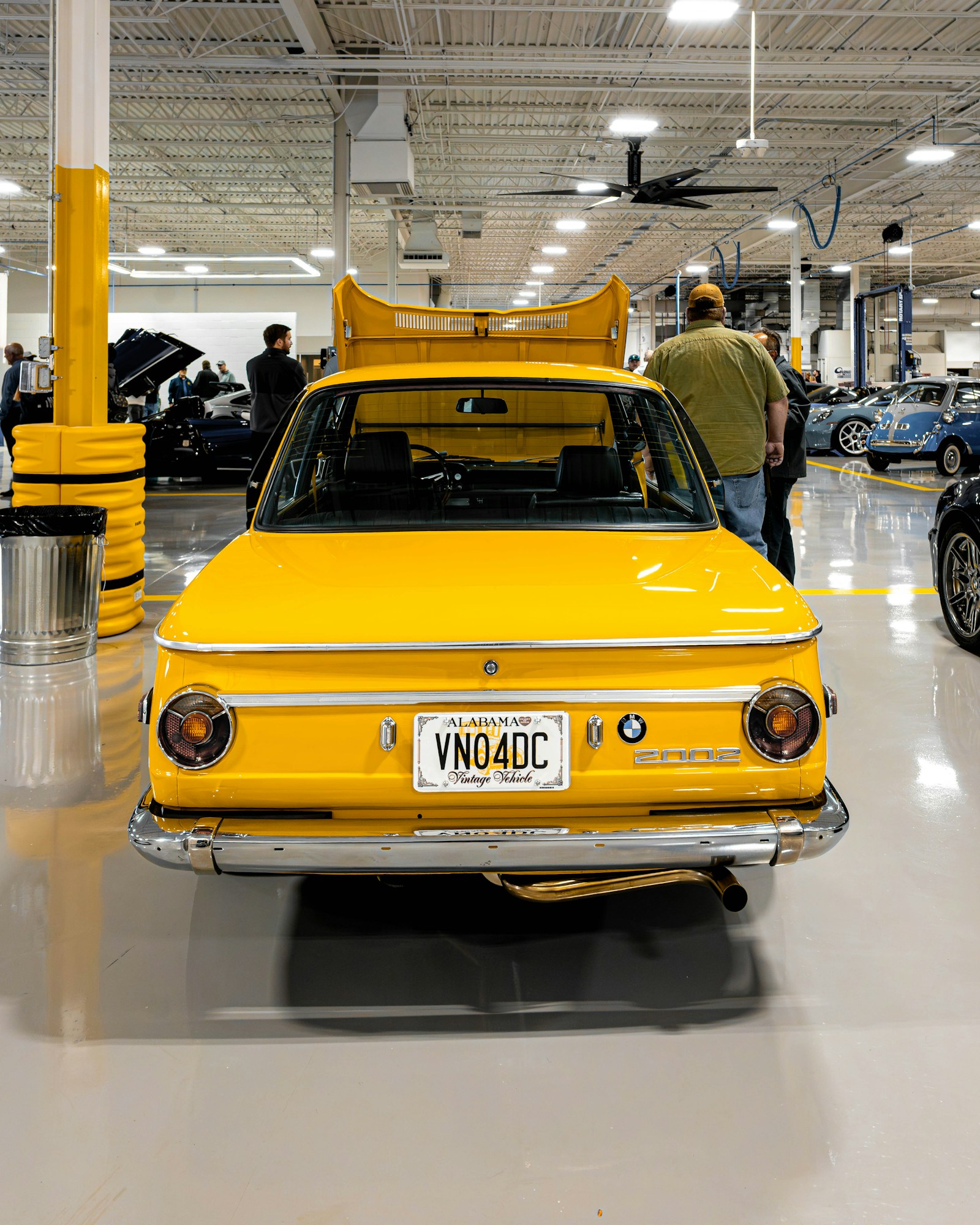
When you bite the bullet to restore a ’57 Chevy and discover a rust‑eaten floor, the excitement instantly turns into a spreadsheet nightmare. The metal under the carpet may look like a decorative rust pattern, but beneath it the chassis can be losing integral cross‑member strength. Auction listings will brag about a pristine paint job while silently ignoring the fact that a compromised floor can collapse under a single passenger. Repairing that corrosion rarely stays within a single‑digit thousand‑dollar line; the hidden labor, shop‑floor prep, and re‑sheeting can balloon beyond expectations. Ignoring the problem until a later spring can force you into a rushed job where prices surge due to scarcity of seasoned welders. Understanding exactly what a rotten floor demands protects your budget and prevents the nightmare of a car that refuses to move after the work is done.
How bad can a rusted floor really be?
A floor that has been exposed to moisture for a decade often shows surface bubbling, but the true damage extends several millimeters into the gauge steel. Those invisible pits can erode the load‑bearing ribs that tie the front and rear suspension together, turning a simple bounce into a dangerous flex. Once the metal thins past a quarter of its original thickness, any impact from a pothole can push the compromised area into outright failure. Mechanics who skip a thorough inspection may miss corroded anchor points that later cause the rear axle to shift under load.
Beyond the obvious structural loss, rust attacks the brackets that hold the shifter linkage, the fuel tank straps, and the spare‑tire well. Replacing each corroded bracket adds a few hundred dollars, but the cumulative effect can push the total repair bill well above the cost of a new floor pan. Moreover, a weakened floor can allow water to seep into the cabin, accelerating interior corrosion and creating mold‑laden upholstery. The hidden expense of treating those secondary issues often appears on the final invoice as “additional labor.”
What does a full floor strip and weld actually involve?
The first step is to rip out the carpet, foam insulation, and any remaining trim, exposing the raw steel for assessment. Technicians then use hand tools and a pneumatic grinder to cut away all rusted sections, preserving only solid stock for later welding. Once the damaged panels are removed, the shop cleans the surrounding area with a solvent wash to prevent contaminating fresh welds.
Welders tack a new sheet of automotive‑grade steel to the surviving ribs, then stitch the seams with a MIG process that matches the original thickness. After the metal is fused, they reinforce high‑stress zones with additional gussets, a practice that restores the floor’s original torsional rigidity. The repaired panel receives a rust‑inhibitor primer, a coat of epoxy filler for smoothness, and finally a color‑matched basecoat that blends with the existing paint.
Which shortcuts end up costing more?
Some owners opt for a chemical rust converter, hoping it will halt corrosion without removing the damaged metal. The converter often leaves a brittle residue that cracks under stress, forcing a repeat repair after a few months. Others fill pitted areas with cheap body filler, only to discover the filler separates when the floor flexes during a hard corner, creating a hollow spot that must be cut out again.
Reusing the original, heavily rusted sheet to save on material cost is another common pitfall; the welds will not achieve full penetration, and the compromised panel will continue to rust from the inside out. The false economy of these shortcuts typically shows up later as labor for demolition, new material acquisition, and a prolonged shop stay.
How do you budget when the price can swing five thousand dollars?
Hourly rates for qualified welders in the Midwest usually sit between $70 and $120, while shops in coastal cities may charge $130 to $180 per hour. Stripping, cutting, and welding a classic floor typically consumes 30 to 50 labor hours, depending on the extent of the damage.
A sheet of 18‑gauge automotive steel runs roughly $30 to $60 per square foot, and a full‑size floor can require anywhere from 15 to 25 square feet of new metal. Add to that a rust‑inhibitor primer at $15 to $25 per gallon and a high‑quality basecoat that costs $40 to $80 per quart.
**Practical steps:** 1. Obtain three written estimates that itemize labor, metal, and finish work before any work begins. 2. Ask each shop to photograph the rusted sections and label the areas they plan to cut away. 3. Request a warranty clause that covers both the welds and the paint for at least twelve months. 4. Set aside a contingency fund equal to 15 % of the lowest estimate to cover unexpected rust that may be discovered once the floor is fully exposed.
When you compare quotes, look for discrepancies in the number of hours allocated to prep work; shops that rush this phase often underprice the weld but overcharge later for rework. Verifying that the shop uses a certified rust‑inhibitor rather than a generic spray can save you from premature corrosion.
When does replacement become the smarter choice?
If visual inspection reveals rust that has eaten through more than one‑third of the floor’s thickness, the probability of future cracks skyrockets, making a replacement pan a safer bet. In such cases, the cost of a salvaged OEM floor pan—typically $1,200 to $2,500 plus shipping—can be less than the combined labor and material expense of a full rebuild.
A used floor pan must be stripped, inspected for hidden corrosion, and often requires a full paint job to match the rest of the vehicle, adding another $800 to $1,200 to the total. However, the time saved by avoiding extensive weld‑and‑reinforce work can offset the higher material price, especially if the shop’s hourly rates are on the high end.
Collectors who value originality may balk at swapping a factory‑produced floor for a refurbished one, yet the market often rewards a car that passes a structural inspection with a higher resale figure. The decision, therefore, hinges on how much you value authenticity versus long‑term reliability.
What should you double‑check before you hand over cash?
First, confirm that the written estimate lists each line item—removal, metal purchase, welding, primer, paint, and disposal—so nothing hides in the fine print.
Second, ask the shop to provide references from owners of the same make who have had floor work completed, and request before‑and‑after photos of those projects.
Third, arrange the payment schedule so that a modest deposit secures the job, a second tranche follows completion of the metal work, and the final balance is due only after the paint has cured and the car passes a road‑test inspection.
Keep reading
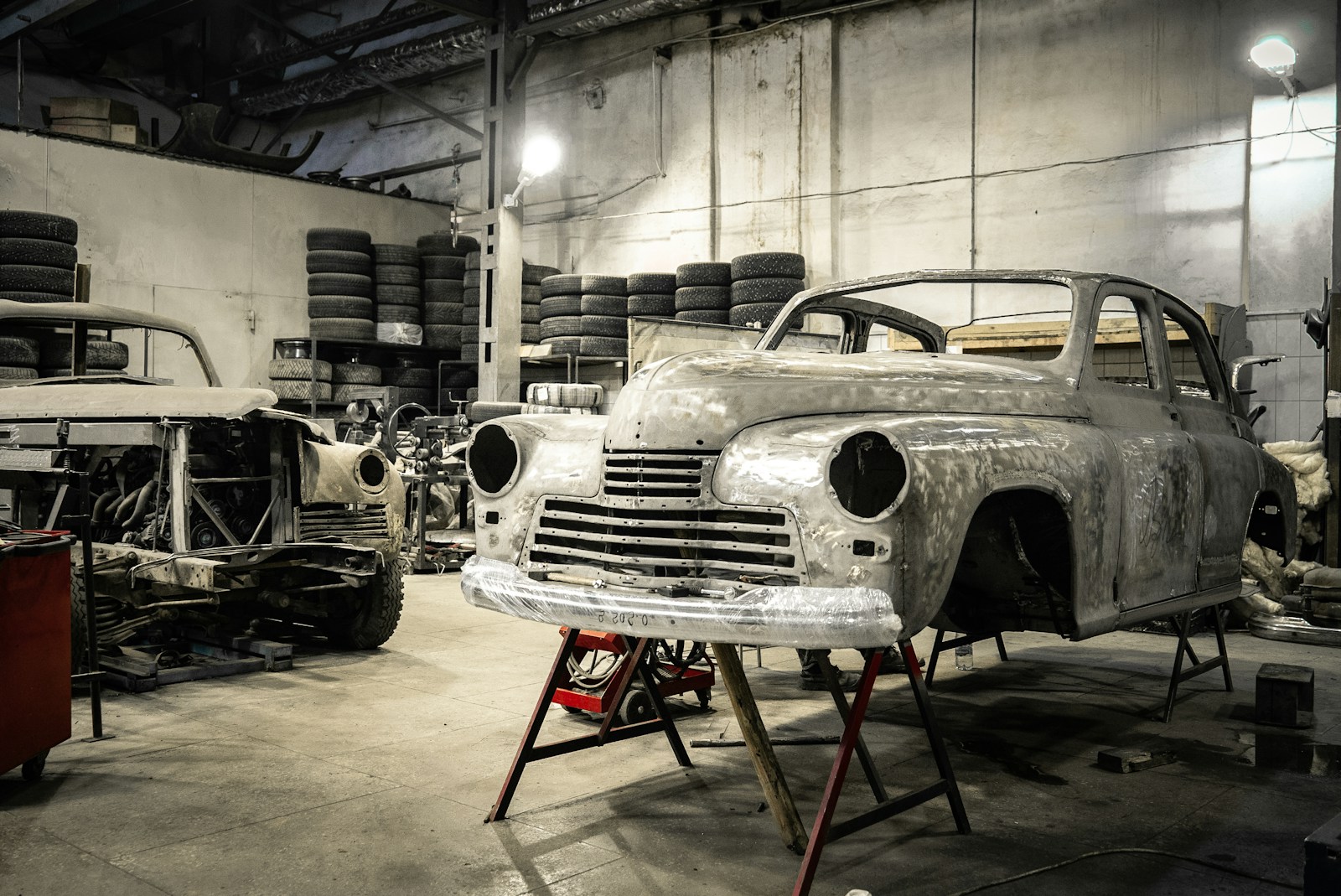
What a Rotten Floor Actually Costs to Fix
Everyone budgets for paint and engine work. Nobody budgets for the floor pans. Here's the real cost of cutting out rust and putting a classic back on solid metal.
Full Restoration Budget: Where the Money Actually Goes
The ads say 'ground-up restoration, never raced, garage kept.' The invoice says otherwise. Here's where a full restoration budget disappears, in real dollars.
Repainting a Classic: Maaco Versus a Real Body Shop
One costs a third of the other and both promise 'classic quality.' One of them means it. Here's the honest trade-off before you hand over a two-tone Chevelle.