How a $30k Chevelle SS can turn into a $5k clone—spot the fakes
Learn the concrete clues that separate a genuine SS 396 from a painted Malibu. Most guides miss the tiny factory stamps that actually prove authenticity.
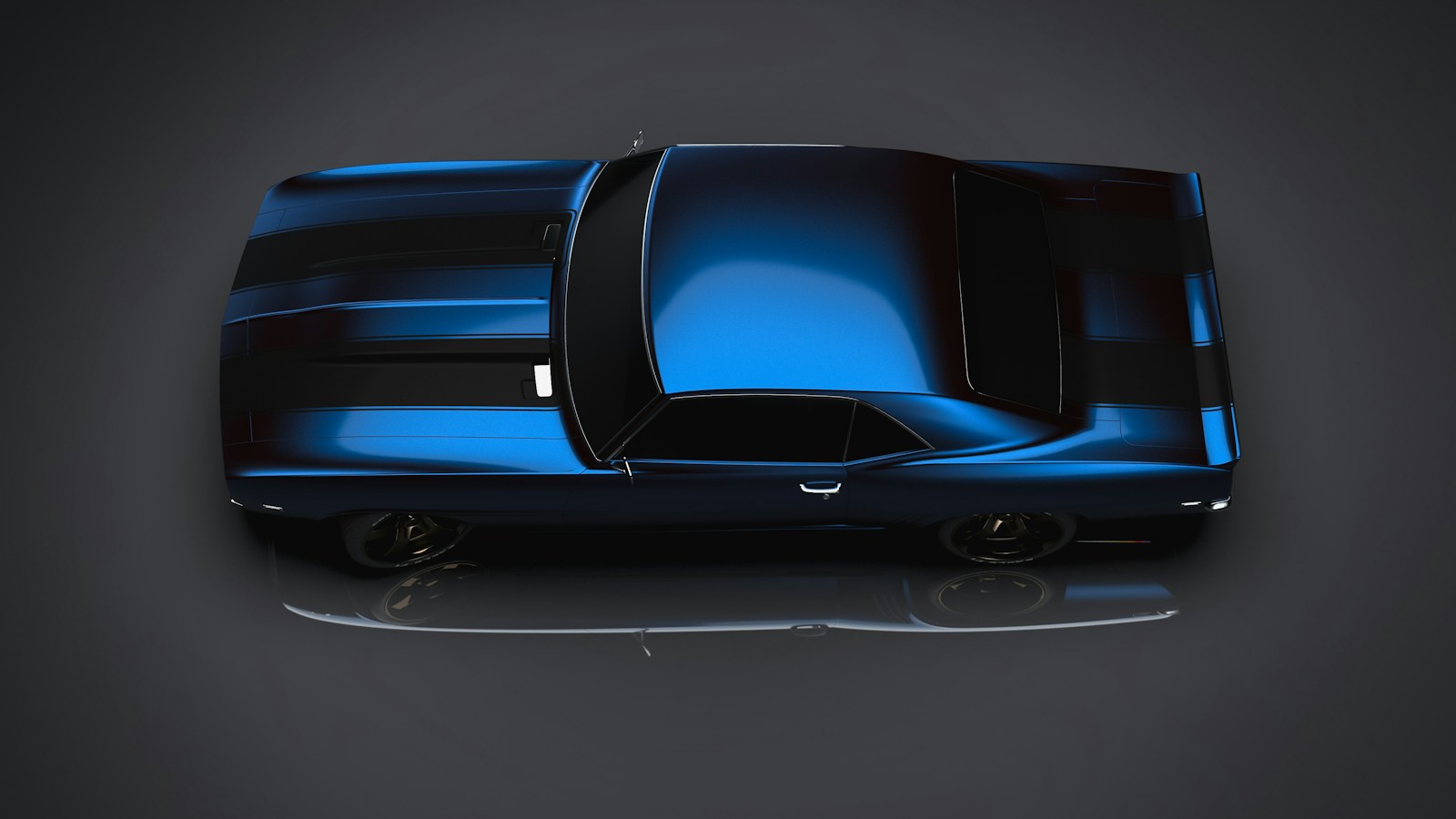
Every buyer who eyes a Chevelle SS 396 at a salvage lot knows the same cold arithmetic: a genuine power‑plant can command three‑figures in the market, while a well‑painted replica can melt that figure in minutes. The risk isn’t just overpaying; a misidentified block can ruin a restoration budget and leave you with a paper tiger that never roars.
Does the VIN really tell the whole story?
When you pull the 17‑digit VIN off the firewall, the first ten characters should line up with the 1971–1973 SS production runs. Cross‑referencing those digits against GM’s archival tables reveals the engine displacement, transmission code, and plant of origin. Anything that falls outside the 396‑series range, or shows a 1974‑style prefix, is a red flag that the chassis has been grafted onto a later‑year frame.
However, the VIN alone cannot confirm a factory‑installed 396; GM often reused numbers for limited‑run specials, and owners sometimes swapped blocks before paperwork was updated. Look for the factory‑stamped casting number on the block’s rear machined surface—‘396‑101’ for early 1970 models, ‘396‑102’ for later. If the casting is smudged, filed, or mismatched to the VIN, the engine is likely a replacement rather than original.
How can you trust the engine block and heads?
Inspect the block’s deck surface for the tell‑tale “SS” casting badge that was welded between the cylinder bores on true 396s. The badge bears the same font and spacing as the original GM stamp, and its presence correlates with the 4‑speed 4‑barrel carburetor configuration. An absent or aftermarket badge almost always signals a swapped or rebuilt engine that never left the factory line as an SS.
Notice the pattern of machining marks on the heads; original SS heads carry a shallow, cross‑hatch finish that was applied by the casting line. A deep, uniform groove suggests a CNC resurfacing job, which, while not illegal, indicates the heads have been altered after the car left the assembly line. Such modifications are common on clones that use high‑compression aftermarket heads to mimic the SS power curve.
What interior clues betray a copy?
Look at the interior badge placement: the “SS” script on the dash is embossed, not printed, and sits directly above the speedometer. Early models used a brushed aluminum strip behind the badge; later versions switched to a black plastic surround. A glossy, adhesive‑backed badge that sits on a painted surface is a giveaway that the interior was retrofitted for display purposes.
Original Chevelles shipped with a navy‑blue vinyl bench that featured a double‑stitched seam along the center. Modern reproductions often substitute black leather or generic cloth, and the stitching pattern becomes a uniform lock‑stitch rather than the distinctive double‑row. Checking the seam under a magnifying glass can reveal whether the upholstery is period‑correct or a cheap after‑market swap.
Are the rear axle and suspension components a litmus test?
Rear axle ratios provide another data point: the factory SS equipped a 3.73 gear set paired with a 10‑bolt rear cover stamped “SS‑G”. When you remove the cover, the tag should read “3.73‑SS‑10B”. A 3.55 or 4.10 ratio, while common on Malibu trims, points to a drivetrain that never saw SS torque.
Suspension brackets differ subtly; the SS uses a reinforced rear leaf‑spring eye that is stamped “SS” on the inner flange. A clone often retains the standard Malibu eye, which lacks the extra weld reinforcement. Be wary of a smooth, unmarked eye because the reinforcement is not merely cosmetic—it was engineered to handle the SS’s higher rear‑wheel torque.
Practical steps to verify authenticity (costs included)
Step one in any verification process is a free VIN lookup on the NHTSA website; the result confirms model year and engine family without spending a dime. If the online record aligns with the car’s paperwork, you have a baseline to work from before investing in deeper analysis.
Hiring a certified classic‑car inspector typically runs between $150 and $300 for a two‑hour on‑site examination, and the fee includes a detailed report of any non‑factory components. Inspectors equipped with a portable spectrometer can even test paint composition to expose mismatched color codes that hint at a later repaint.
If you prefer a DIY route, a casting‑number verification service charges roughly $50 to $120 per block, delivering a PDF that matches the number to GM’s original production list. The service also flags any known counterfeit numbers that have surfaced in recent fraud rings, saving you from a costly misidentification.
What to double‑check before you hand over cash?
Before you hand over any cash, cross‑reference the VIN, casting numbers, and axle tags with the original build sheet, confirm that the seller can produce a chain‑of‑title document, and take the car for a short run to hear the unmistakable low‑end rumble of a true 396. A final visual sweep for mismatched badges, non‑original upholstery, and aftermarket paint will catch the last slip‑ups that even a thorough inspection can miss.
Keep reading
1970 Buick GS Stage 1: $30‑45k Value Surge Explained
Learn why the 1970 Buick GS Stage 1 is finally gaining respect and how to buy it without the usual hype traps. Most guides overlook the hidden restoration costs and the real performance gap.
1967-1969 Camaro: What to Inspect Before You Buy
First-gen Camaros turn fifty-something sellers into real estate agents real fast. Here's the inspection list that keeps you from paying 1969 prices for a 1975 rebuild.
Mustang Fastback vs Coupe: Which One Actually Holds Value
Fastbacks cost double the coupe for the same drivetrain. Sometimes that gap makes sense. Usually it's just panic. Here's the cold version of the money question.